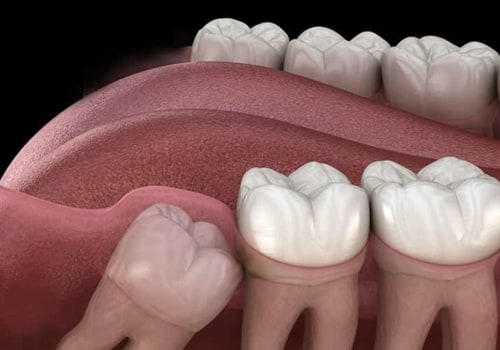
Wisdom teeth, also known as third molars, are the last set of teeth to emerge, typically appearing in the late teens or early twenties. While some individuals experience no issues with these teeth, many face complications due to limited space in the jaw. Impacted wisdom teeth—those that do not fully erupt—can lead to pain, swelling, and infection. Because of their position at the back of the mouth, they are also harder to clean, increasing the risk of decay and gum disease. Understanding the role of wisdom teeth and their potential impact is essential for maintaining long-term oral health and preventing more serious dental problems.
Preventing Crowding and Alignment Issues
One of the primary reasons for wisdom teeth removal is to prevent overcrowding and misalignment. As these teeth push through the gums, they can exert pressure on neighboring teeth, disrupting the alignment that may have been achieved through orthodontic treatment. This shifting can lead to bite problems and uneven wear on teeth over time. By removing wisdom teeth before they cause significant disruption, dental professionals can help preserve the structure and alignment of the entire dental arch, contributing to a healthier and more functional smile.
Reducing the Risk of Infection and Damage
Impacted or partially erupted wisdom teeth create pockets where bacteria can accumulate, increasing the likelihood of infection and gum disease. These areas are difficult to reach with regular brushing and flossing, making them prone to plaque buildup. In some cases, cysts or damage to adjacent teeth can occur if the problem is left untreated. Wisdom teeth removal addresses these risks by eliminating the source of potential infection and protecting the surrounding teeth and tissues. Early intervention is often recommended to minimize complications and promote easier recovery.
Supporting Long-Term Oral Health Solutions
Wisdom teeth removal is not only about addressing immediate concerns but also about supporting long-term oral health. By removing problematic teeth, patients can maintain better oral hygiene and reduce the chances of future dental issues. This proactive approach complements other dental treatments and preventative care strategies. For individuals considering restorative procedures such as dental implants in Danbury, maintaining a healthy oral environment is crucial. Ensuring that wisdom teeth do not interfere with overall dental health can create a more stable foundation for future treatments and improvements.
The Procedure and Recovery Process
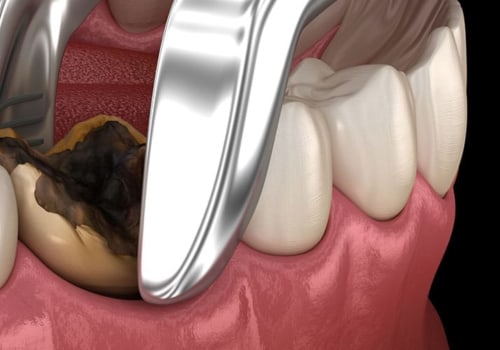
The removal of wisdom teeth is a common dental procedure performed under local or general anesthesia, depending on the complexity of the case. Dentists or oral surgeons carefully extract the teeth while minimizing discomfort and preserving surrounding structures. Recovery typically involves a few days of rest, during which patients are advised to follow specific aftercare instructions, including managing swelling, avoiding certain foods, and maintaining gentle oral hygiene. With proper care, most individuals recover quickly and experience significant relief from previous discomfort.
A Proactive Step Toward a Healthier Smile
Ultimately, wisdom teeth removal plays a vital role in protecting and maintaining long-term oral health. By addressing potential issues early, patients can avoid complications that may affect their overall dental well-being. The procedure supports proper alignment, reduces the risk of infection, and contributes to a cleaner and healthier mouth. Taking a proactive approach to dental care ensures that individuals can enjoy lasting comfort, improved function, and a confident smile for years to come.